The Mediation Room

You Don't Have to Agree. You Just Have to Be Willing.

When a family reaches a crossroads, the question isn't who's right. It's what comes next. Private mediation for families, individuals, and organisations, via Zoom, in Wellington, and in Hawke's Bay.

The counselling room hero image

let's figure this out

Where Are You Right Now?

Co-parenting Needs a Clear Plan

Create parenting and care agreements privately, with calm guidance before court becomes the next step.

Co-parenting Needs a Clear Plan

Create parenting and care agreements privately, with calm guidance before court becomes the next step.

I’m Newly Separated

Get a structured path through the law, finances, children, and conflict patterns, with steady aftercare included.

I’m Newly Separated

Get a structured path through the law, finances, children, and conflict patterns, with steady aftercare included.

I Want to Arrive Prepared

Use a focused individual session to prepare for the conversation ahead, even if the other person books separately.

I Want to Arrive Prepared

Use a focused individual session to prepare for the conversation ahead, even if the other person books separately.

We Need to Divide Finances

Negotiate relationship property and financial decisions through mediation, then have lawyers certify the final outcome.

We Need to Divide Finances

Negotiate relationship property and financial decisions through mediation, then have lawyers certify the final outcome.

We Have a Wider Dispute

Bring business, family, neighbour, or workplace conflict into a calmer room with a skilled neutral guiding progress.

We Have a Wider Dispute

Bring business, family, neighbour, or workplace conflict into a calmer room with a skilled neutral guiding progress.

My Child’s Voice Matters

Help both parents understand what their child is carrying, without asking the child to choose sides.

My Child’s Voice Matters

Help both parents understand what their child is carrying, without asking the child to choose sides.

You are not alone

Do Any of These Feel a Little Too Close to Home?

01

You've been trying to sort this out for a while and nothing is moving.

02

Things are escalating and you want to resolve this without going to court.

03

You've reached agreement on some things but keep hitting a wall on others.

04

Your children are caught in the middle and you want that to change.

05

You have a dispute, and you need a skilled, calm neutral to help find a way through.

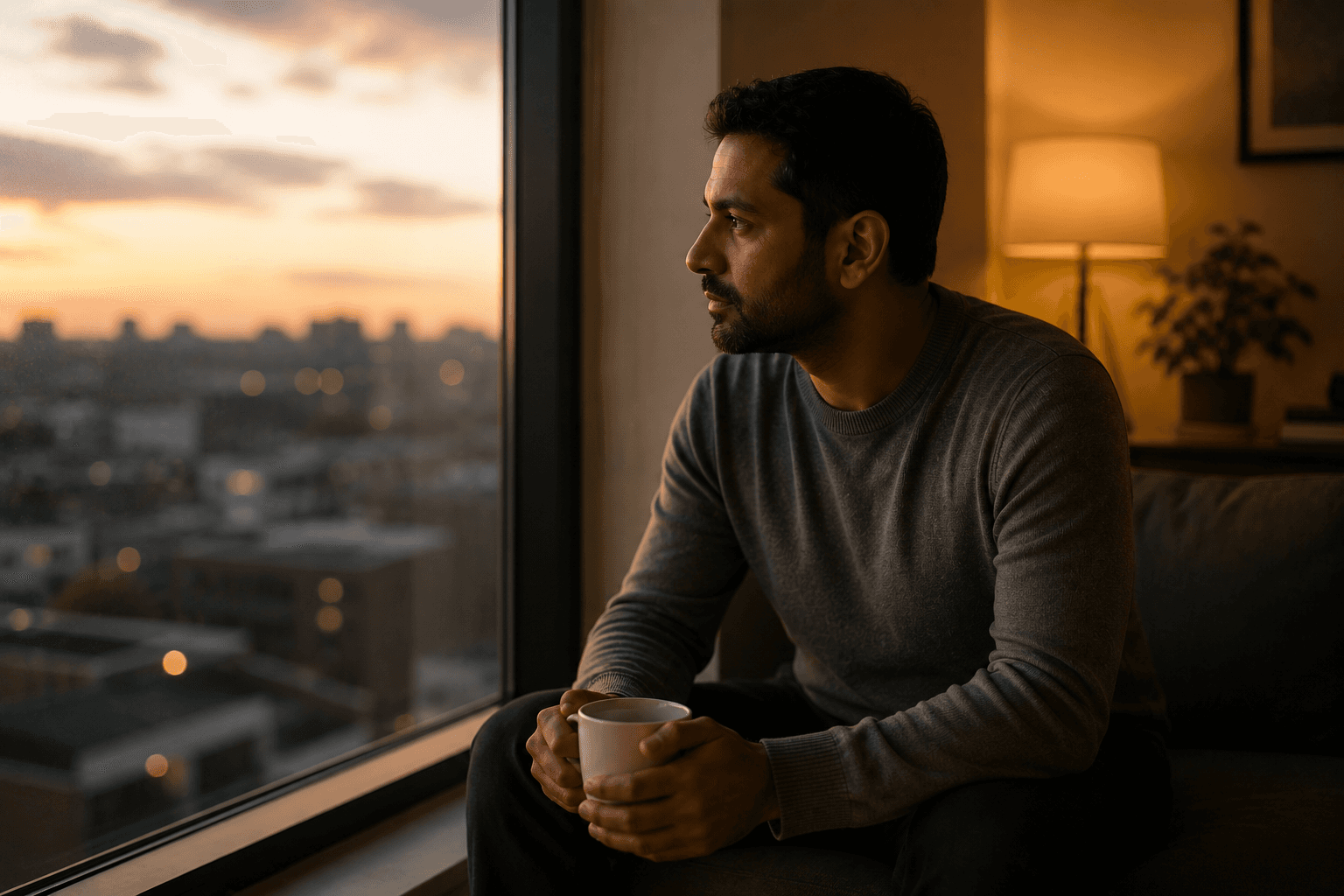
A man in his sixties sitting alone at a table, resting his chin on his hand and looking out of a window, waiting.

You are not alone

Do Any of These Feel a Little Too Close to Home?

01

You've been trying to sort this out for a while and nothing is moving.

02

Things are escalating and you want to resolve this without going to court.

03

You've reached agreement on some things but keep hitting a wall on others.

04

Your children are caught in the middle and you want that to change.

05

You have a dispute, and you need a skilled, calm neutral to help find a way through.

A man in his sixties sitting alone at a table, resting his chin on his hand and looking out of a window, waiting.

You are not alone

Do Any of These Feel a Little Too Close to Home?

01

You've been trying to sort this out for a while and nothing is moving.

02

Things are escalating and you want to resolve this without going to court.

03

You've reached agreement on some things but keep hitting a wall on others.

04

Your children are caught in the middle and you want that to change.

05

You have a dispute, and you need a skilled, calm neutral to help find a way through.

A man in his sixties sitting alone at a table, resting his chin on his hand and looking out of a window, waiting.

Sometimes a dispute doesn't arrive as a single moment. It builds quietly, through disagreements that were never quite resolved, things that were swallowed instead of said, decisions that felt unfair but were never named as such. What we tend to call a falling out, or an impasse, is rarely sudden. It is, more often, the accumulated weight of things that were never properly addressed, a long disagreement finally making itself known. The work here is not about winning an argument. It is the slower, more important work of understanding what is actually happening between two people, and finally giving them a way through it. 

Sometimes a dispute doesn't arrive as a single moment. It builds quietly, through disagreements that were never quite resolved, things that were swallowed instead of said, decisions that felt unfair but were never named as such. What we tend to call a falling out, or an impasse, is rarely sudden. It is, more often, the accumulated weight of things that were never properly addressed, a long disagreement finally making itself known. The work here is not about winning an argument. It is the slower, more important work of understanding what is actually happening between two people, and finally giving them a way through it. 

HOW I WORK

A Different Kind of Mediator

Most mediators are trained in process. I am trained in process and in people, and the combination is what makes the difference in the room.

Mediation that holds is not just procedurally competent. It is psychologically informed, built on a genuine understanding of how people think, feel, and behave under the specific pressure that conflict and separation create. It is trauma-informed, because separation and conflict are not logistical problems with emotional side-effects. They are, for most people, among the most destabilising experiences of their lives. And it is child-centred, because in every family dispute, the people with the least power and the most at stake are the ones who are not in the room.

I came to mediation through my work as an Emotionally Focused counsellor with children, individuals, and families experiencing grief, loss, and separation. Before that, twenty years of working with people in the most exposed moments of their lives.

Each of those things, in different ways, was preparation for this work. I understand what it costs a person to sit across from someone they once loved, or once trusted, and now feel very differently about, and what that emotional turmoil does to the capacity to reach an agreement. I understand what fear does to language, what grief does to negotiation, and what it takes to create enough safety that something real can happen in the room. That understanding is not incidental to this work. It is the work.

01.

You Stay in Control

In mediation, you and the other party make the decisions. I guide the conversation. You shape the outcome.

01.

You Stay in Control

In mediation, you and the other party make the decisions. I guide the conversation. You shape the outcome.

02.

Move forward

Mediation is typically faster and far less costly than court. And the agreements you reach tend to last, because you made them.

02.

Move forward

Mediation is typically faster and far less costly than court. And the agreements you reach tend to last, because you made them.

03.

Be genuinely heard

I came to mediation through counselling. Agreements only hold when both people feel understood, not just settled.

03.

Be genuinely heard

I came to mediation through counselling. Agreements only hold when both people feel understood, not just settled.

"The measure of good mediation isn't whether everyone left happy. It's whether everyone left having truly heard, and been heard by the person across the table."
Sabrina Barbara

Meet Your Therapist

I'm Sabrina Barbara

Relationships are the most important and the most complicated thing in most people's lives. I came to this work through twenty years of portrait photography and a decade in high-pressure crisis roles — learning to read emotional worlds, stay steady under strain, and see what was real beneath what was presented. It turns out that's exactly what couples in distress need.

I'm an Emotionally Focused Therapy-trained couples counsellor and a Life Member of ICEEFT — the international organisation founded by the late Dr. Sue Johnson that sets the standard for how Emotionally Focused Therapy is taught and practised worldwide. It works with the emotions and attachment needs underneath your arguments, not just the arguments themselves — because that's where the real work is.

I came to mediation through my work as an Emotionally Focused counsellor with families experiencing grief, loss, and separation. I come to every dispute asking: what is actually happening between these people? Not just what they disagree about, but what they need, what they fear, what they have stopped being able to say out loud.

Agreements only last when both people feel genuinely understood, not just settled. That understanding has to be real and mutual. Without it, the document holds until the next flashpoint. With it, something actually changes.

  • ICEEFT Life Member

  • Emotionally Focused Therapy-trained

  • NMAS Accredited Mediator

0

+

Years working one-to-one with people
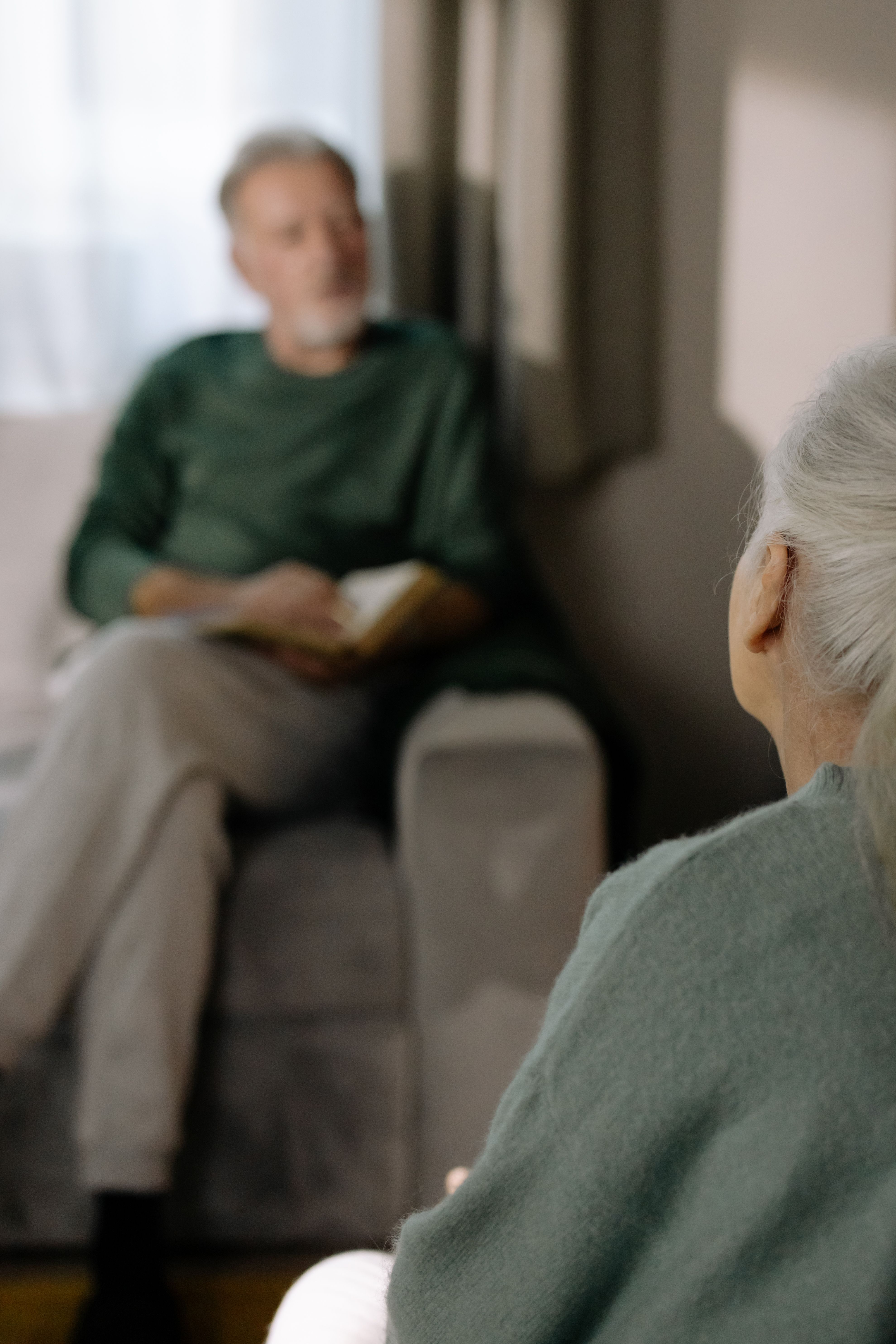
two woman sits on sofa chairs inside house
0

+

People I've worked with closely

woman holding the shoulder of man
0

Languages - English & German

white and brown floral round container
Sabrina Barbara Grabow

How I Can Help

Mediation for Every
Stage of Life

Mediation for Every Stage of Life

Only 15% of families who attended mediation reached a full agreement, often because people arrive unprepared and emotionally overwhelmed. The services below are designed as a coherent pathway, not a menu. I work with wherever you are.
Real Stories

Words from People I've Had the Honour of Working With